Inside the BC Ferries refit yard: Christine finds a home for her craft
I joined BC Ferries because I wanted a place where my trade mattered and my skills would be taken seriously. As a woman in the trades, that kind of equal footing is important. The work here is challenging, hands-on and meaningful, and that’s what’s kept me coming back.
I’m an upholsterer by trade. Before ferries, I did custom fine furniture. At Deas Dock, the work is totally different. I make patterns, sew custom covers for navigation equipment and build whatever the ships need. Engineers will dream something up and we take it back to the shop, figure it out and make it. I like the challenge. It’s a real craft and a real trade, and it keeps my brain working. Pattern making is one of my strengths.
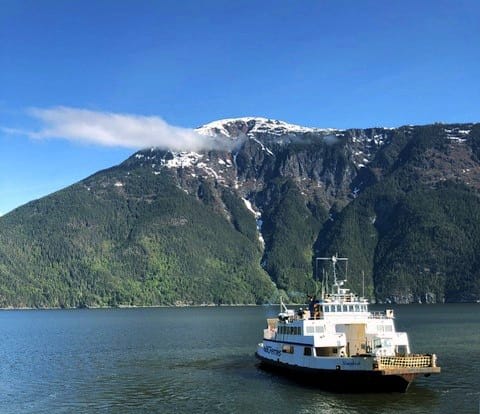
There are only four upholsterers in the whole company. Most people don’t know we exist. Even people around the fleet are surprised. But every refit season, from September to June, we touch almost every vessel. We fix every ripped seat, go through all the cafeterias and lounges and take care of anything fabric on board
I love it when someone brings us something new and we get to design it from scratch. Turning an idea into something that fits, works and holds up on a working vessel is satisfying. Those are the moments where I think, “My brain made that.” I feel respected for my skill and get to use my trade every day in a way that challenges me.
Working in a trades yard as a woman has its challenges. You have to earn your respect. Once people see your skills, you’re accepted, but it’s not automatic. I’d like to see more women in the trades and at Deas Dock. It would shift the environment for everyone in a good way. The women who are here are amazing and really skilled.
I’d never been in a union job before BC Ferries, so getting involved was new to me. But our work can be dangerous. People put in long, hard hours around heavy equipment, and you need someone looking out for the workers. For me, being active in the union is about rights, safety and making sure the conditions on the ground match what’s on paper.
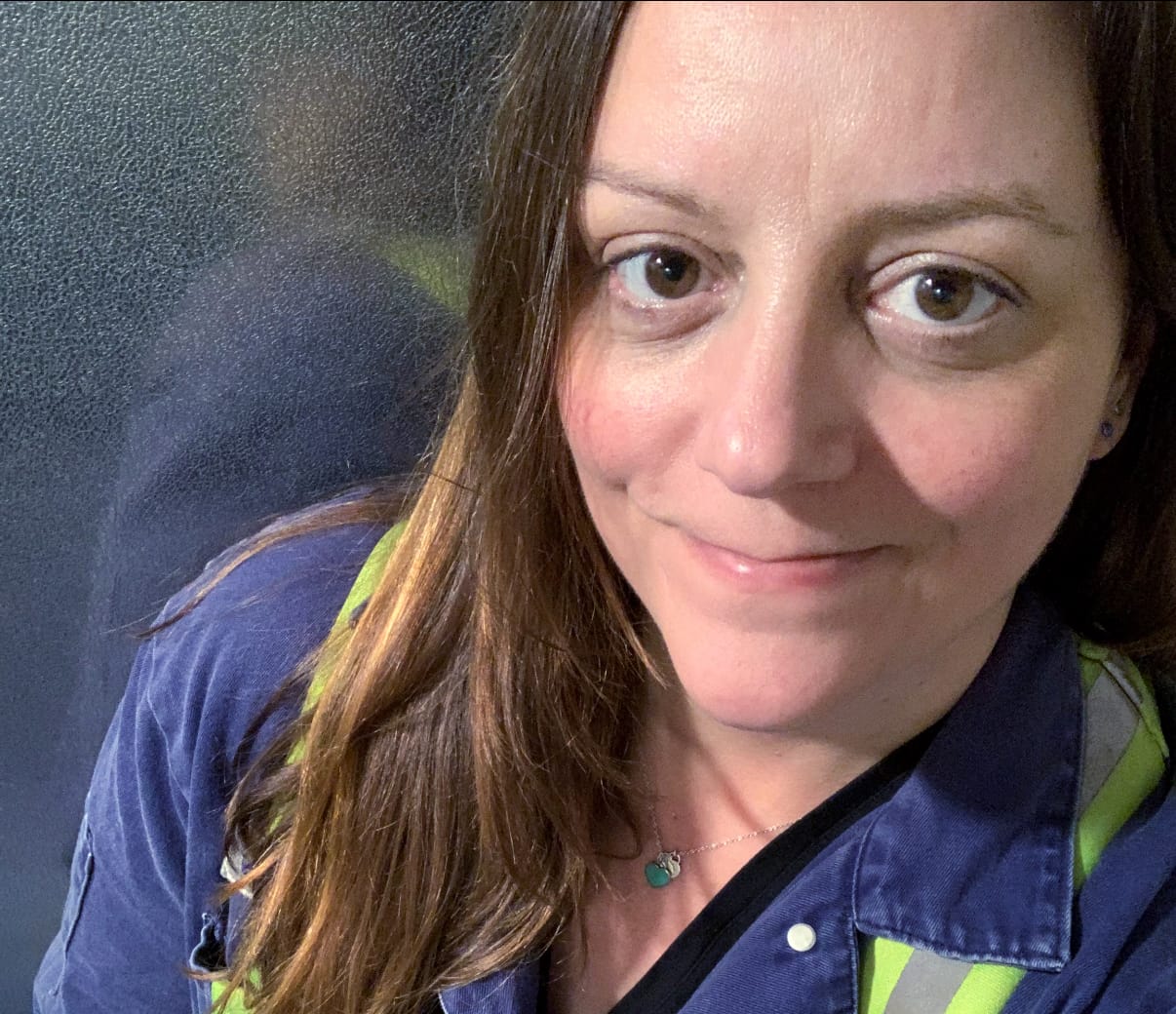
Christine Shakespeare, president, Deas Dock Component