Gary Caroline: Building the next generation of union negotiators
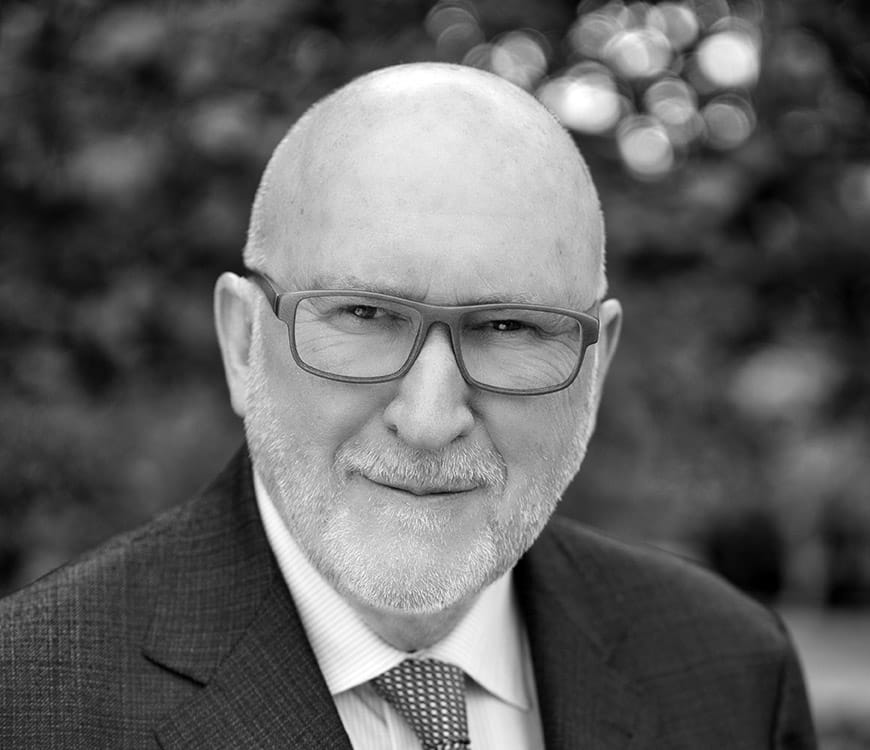
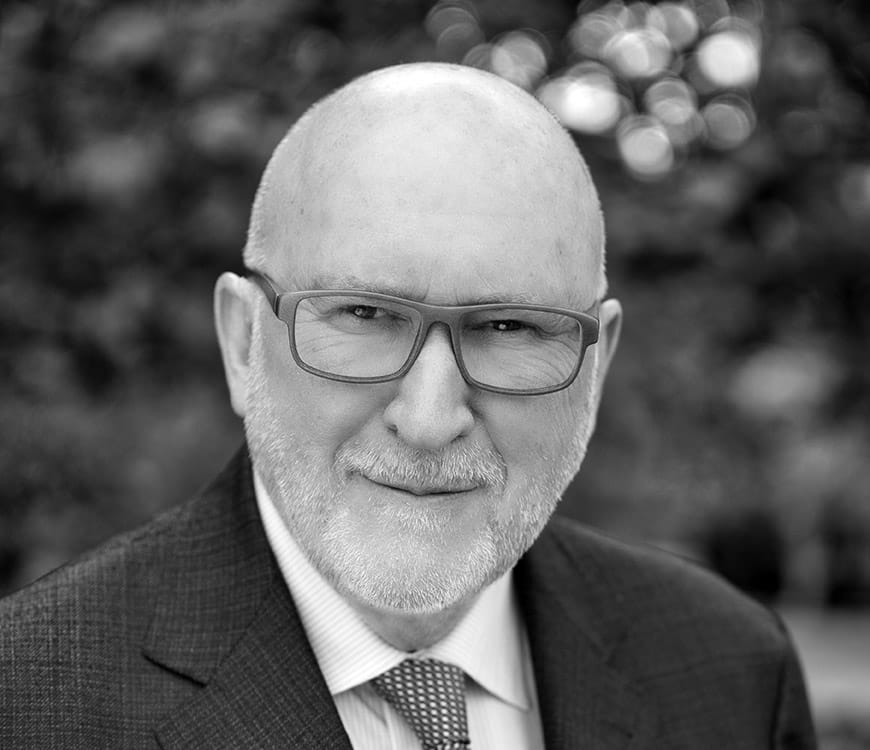
I’m the executive director of the BC Ferry & Marine Workers’ Union and I work closely with the bargaining committee as the union’s lead negotiator.
I’ve spent close to 40 years working in labour law. Even before that, while I was in law school, I worked for unions doing their legal work. My father was very active in his union on the railroad and later I took the same path on both CN and CP, so the union movement has always been part of my life.
Before I worked for BCFMWU, I knew of the union as an arbitrator under Article 6. Over the years I had always liked dealing with the staff in the union. I wanted to learn more about the union’s work and how ferry operations affect the collective agreement and the lives of members.
Through the Article 6 charges I had dealt with as an arbitrator, I really felt that members could use help improving their work environment. I wanted to see whether I could have an impact on changing that for the better.
I’m not working for the union as a lawyer, but it certainly helps that I am one. The range of issues the union deals with is broad and a lot of my time ends up being spent helping resolve complicated matters.
What members may not realize is how much time goes into dealing with internal charges, constitutional complaints or human rights issues. That work can be extremely time-consuming.
At the same time, I also work with members and subcommittees trying to improve the workplace, particularly around how women and marginalized groups are treated. I enjoy that work a great deal, even though it can be frustrating at times. In many cases the employer is not as aware of the issues those workers face as they should be.
One of the biggest challenges facing the union right now is workplace culture, right up there with it is the struggle to remove the provision in the collective agreement that has forced interest arbitration when renewing a contract. I was shocked to learn that this provision has been used to deny members the right to strike.
In my nearly 40 years working in labour law, it has become very clear to me that not having the right to strike affects bargaining from A to Z. If the employer knows we can’t lower the hammer to get a fair deal, we are always going to be negotiating from a position of weakness. That said, I am optimistic that this round of bargaining will be the last one where members are impacted by the language in 35.02.
What matters to me is working closely with the bargaining committee. I firmly believe that members are the best negotiators. They know the issues better than anyone. What they sometimes lack is experience with the technical side of bargaining.
One of my goals is to make sure that future rounds of bargaining don’t need outside assistance like me. We want members to have the knowledge and confidence to do this work themselves. I think we’re well on the way to that.
I have tremendous confidence in Eric’s ability to take things forward once I move on to other things. For me, working with ferry workers and helping strengthen the union has been a way to stay connected to the labour movement that has always been part of my life and pass along some of what I’ve learned over the years. If the next generation of ferry workers can lead their own negotiations with confidence, then I’ve done my job.
Gary Caroline
Executive director, BCFMWU