Communities fed up with BC Ferries failures

Ferry-dependent communities are speaking out, and they’ve had enough.

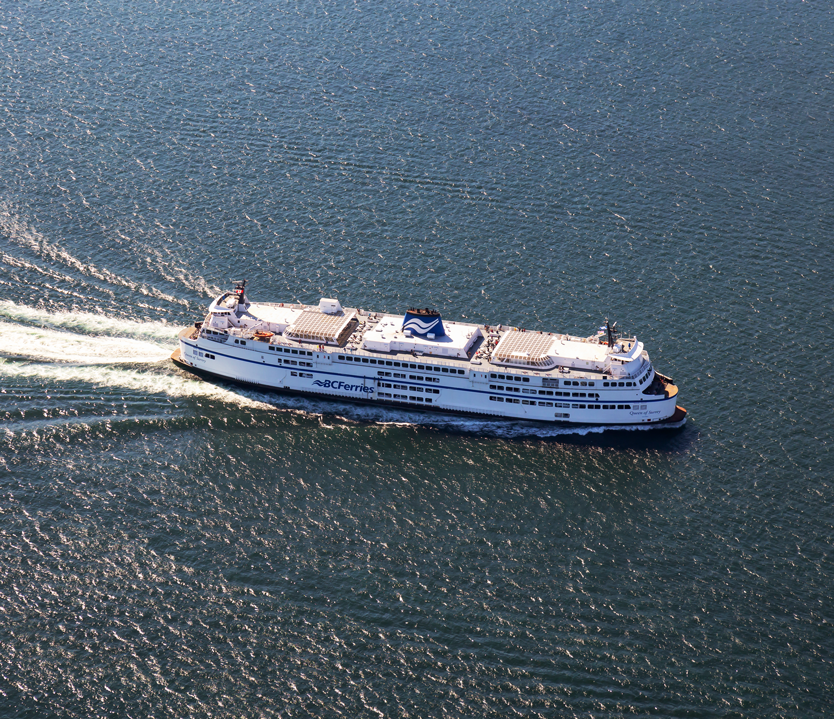
This week, mayors from Bowen Island and Gibsons called on BC Ferries and the province to fix chronic breakdowns, cancellations and overcrowding. For people on the Sunshine Coast and Bowen, it’s the same as shutting down the only highway in and out of town.

Local leaders say they’ve been dragged through years of “consultations” while service keeps getting worse. They want real action: better vessels, proper planning and a seat at the table.

BC Ferries’ response? Blame the Coastal Ferry Act, say only one route covers its costs, and warn fares could jump 30 per cent in three years. That’s not good enough.

Here’s the bigger problem: BC Ferries is stuck with a broken governance model created more than 20 years ago. It treats ferries like a business, not the public service they are. That’s why we keep seeing short-term decisions, deferred investment and communities left stranded.

The provincial government and BC Ferries can’t hide behind the model anymore. B.C. needs to step up, fix ferry governance and push Ottawa for real federal funding to rebuild the system in the public interest.

We stand with Bowen, Gibsons and all coastal communities: ferry service is a lifeline, not a luxury. It’s time for a system that puts people first.

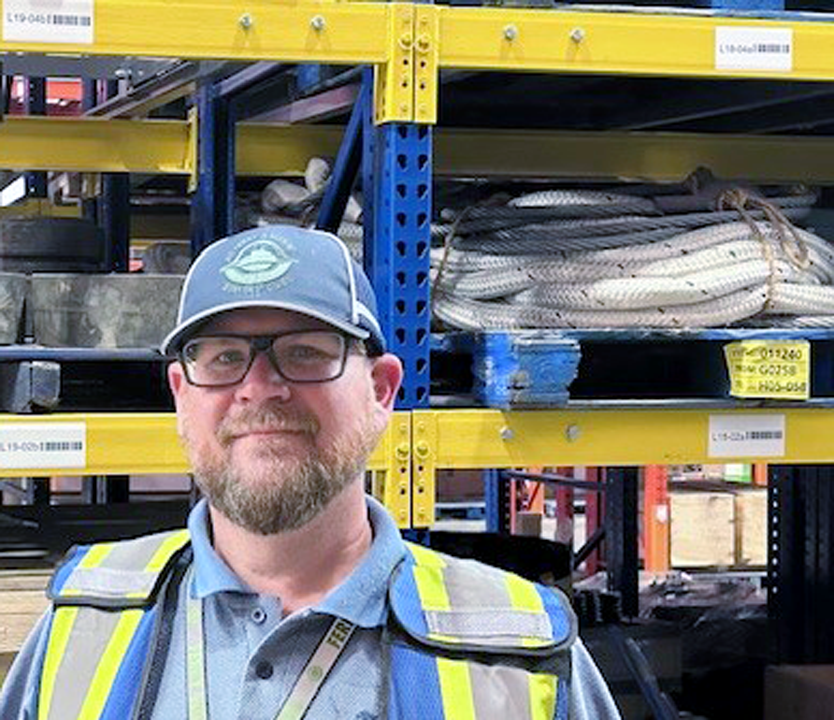
From lost stock to found hope: Phil’s story

I’ve been taking BC Ferries most of my adult life and always wondered how they work behind the scenes. When the chance came up to join the supply chain team, I jumped at it. It gave me a chance to see the inner workings of the system, how parts move, how repairs happen, how everything connects.

Most people don’t realize how much goes into getting a part from the warehouse to a vessel or terminal. It’s not just a box magically showing up. A shipment comes into receiving, we check and process it, then decide if it’s a stock order or a manual “999” order. Stock gets put away, while 999s go up front for a second check, boxing and shipping. Then we pick orders from the queue and get them ready to go. There are a lot of little steps that make it all work.

One of the things I’m proud of is mentoring other team members. I like passing on what I know and helping them figure things out. Another moment that stands out is when we reorganized the warehouse after our 2024 move. It was a mess and a lot of stock went missing. I spent time combing through racks and shelves, and it felt good to find and fix what was lost, especially when it was high-value stock.

The hardest part of the job is making sure orders go out on time. We try to be faster than Amazon, but sometimes the queue gets backed up. A tracking system would help a lot. Right now, we write orders down in a truck book by hand. Once something leaves the warehouse, we have no way to track it. If someone calls asking where their part is, we have to dig through the log. Most of the time it turns out the box is sitting on the vessel but hasn’t been put away, or one watch has it and the other doesn’t know. A more modern, computerized tracking system would make life a lot easier for everyone.

Being in the union has also been important to me. I’ve had the chance to be active in my local and support other members on the floor. Whether it’s mentoring or helping them navigate issues, I enjoy being there for people.

Outside of work, I’ve also spoken publicly about mental health. In July I volunteered at a jazz festival and won a guest spot on a podcast called Voice Power. I shared my own struggles and how I pulled myself out of a dark time. I said yes when the host asked if I wanted to share my personal email in the show notes because I wanted other men to know there’s hope. If I can get through it, so can they.

Mental health is something I care about deeply. I know we’re lucky in the warehouse not to face angry passengers the way crew do on vessels and at terminals, but I also know how much stress people in the whole fleet carry. I don’t ever want anyone to feel as low as I did, and if speaking up helps even one person, then it’s worth it. That same passion drives how I mentor at work: listening, supporting and making sure people don’t feel alone. If anyone needs to talk about their own struggles, I’m always willing to listen.

Phil Sacco 1st Vice President, Local 8

Life in the galley: Feeding thousands, ready for anything

I’m a chief cook, but I’m also trained as a first responder. At BC Ferries, catering staff don’t just serve meals, we’re ready for emergencies too.

If there’s an evacuation, a fire, a man overboard, or a security incident, we’re expected to respond with precision. That’s part of the marine industry. It’s not if those skills will be needed, it’s when. Some things are predictable: a fire or taking on water. But the behavior of passengers isn’t. Some will hold it together and some won’t, because people react in different ways. So, we always have to be ready.

Almost every day, something happens that swells my heart with a bit of pride. Helping someone navigate serious food allergy concern or guiding a first-time traveler through emergency procedural questions. Whatever the issue is, our crew steps up and helps. If we don’t know an answer, we find it.  I just want to get passengers across safely, and if they want a hot meal, that’s part of keeping them comfortable.

There are challenges though. Cost of living is one. When I started, it was possible to cover rent, groceries, and utilities on part-time wages. That’s no longer the case. Times are tough, and sometimes you see how passengers behave. We try to keep an even keel and do our jobs the best we can.

Cooking on a ship also brings unique challenges. Let’s say there was a fire in the kitchen in a pub on shore. You pull the fire alarm, and you just leave. On ship, you must handle the emergency yourself.

Space is limited and the work is high volume.  We make thousands of meals daily with a crew of up to just six. There’s also the rest of the team that serves outside the galley, taking orders and clearing tables. They’re all important, just like in any restaurant. Without each of them it would all fall apart.

On these relatively short runs, like Route 1 and 2, we have about an hour and 40 minutes to two hours to serve everyone. That means moving a huge volume of passengers through the cafeteria quickly. On longer sailings, such as the Inside Passage, crews face different challenges. They serve the same group of passengers multiple meals over the course of a day, with a broader menu for both passengers and live-aboard crew. Both settings demand teamwork, but the pace and style of service are very different depending on the ship and the route.

If I could change anything, it would be nice to have more menu. I’ve been a cook longer than I’ve worked at BC Ferries. As cooks, we have skills beyond making large volumes of food. A little more room for creativity and new menu ideas would go a long way.

As a supervisor, I have the ability and obligation to direct crew in a respectful way. Real leadership means going first, showing the way, and standing up for our members when their rights are at risk.

As a shop steward, my role is protecting the rights of my crew. Part of that is helping people understand the difference between a complaint and a contract breach. If there’s a complaint, I’ll hear it, but if there’s a breach, then let’s explore that because we want to make sure that our members’ rights are upheld.

That’s what unions are here for, to protect the people who protect you on the water, and it’s at the heart of what I believe in.

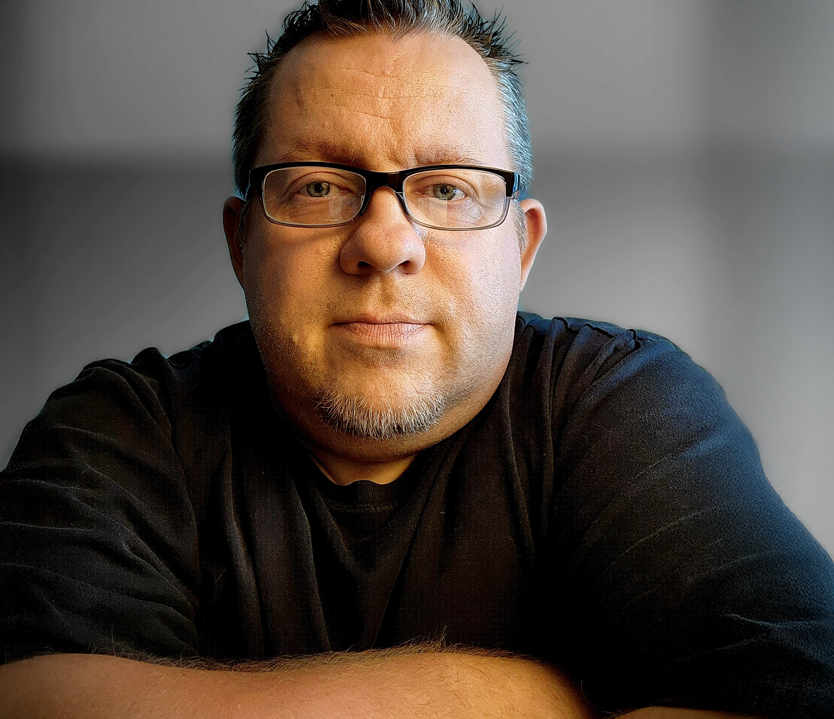
Peter Kelly, Shop Steward, Local 2 Nanaimo Chief Cook