Alex Yates: Learning and teaching the ropes below deck
 A friend of mine had worked at BC Ferries for years as a deckhand. He told me they were always looking for people and said I should apply. So I went out and took all the courses I needed. I went to a job fair and told the BC Ferries staff there I wanted to be a deckhand. They started listing all the certificates I’d need, and I slid mine across the table and said, “I’ve taken them already.”
They gave me a recruiter’s number and told me to call the next day. When I did, they said they could probably get me into the terminal. It wasn’t exactly what I had planned, but I really enjoyed my time working terminal. It was a great group of people and every day was different. You got to interact with the public and work with a strong team. The only reason I moved to the boats was because I was only getting a shift or two a month at the time and I had a mortgage to pay.
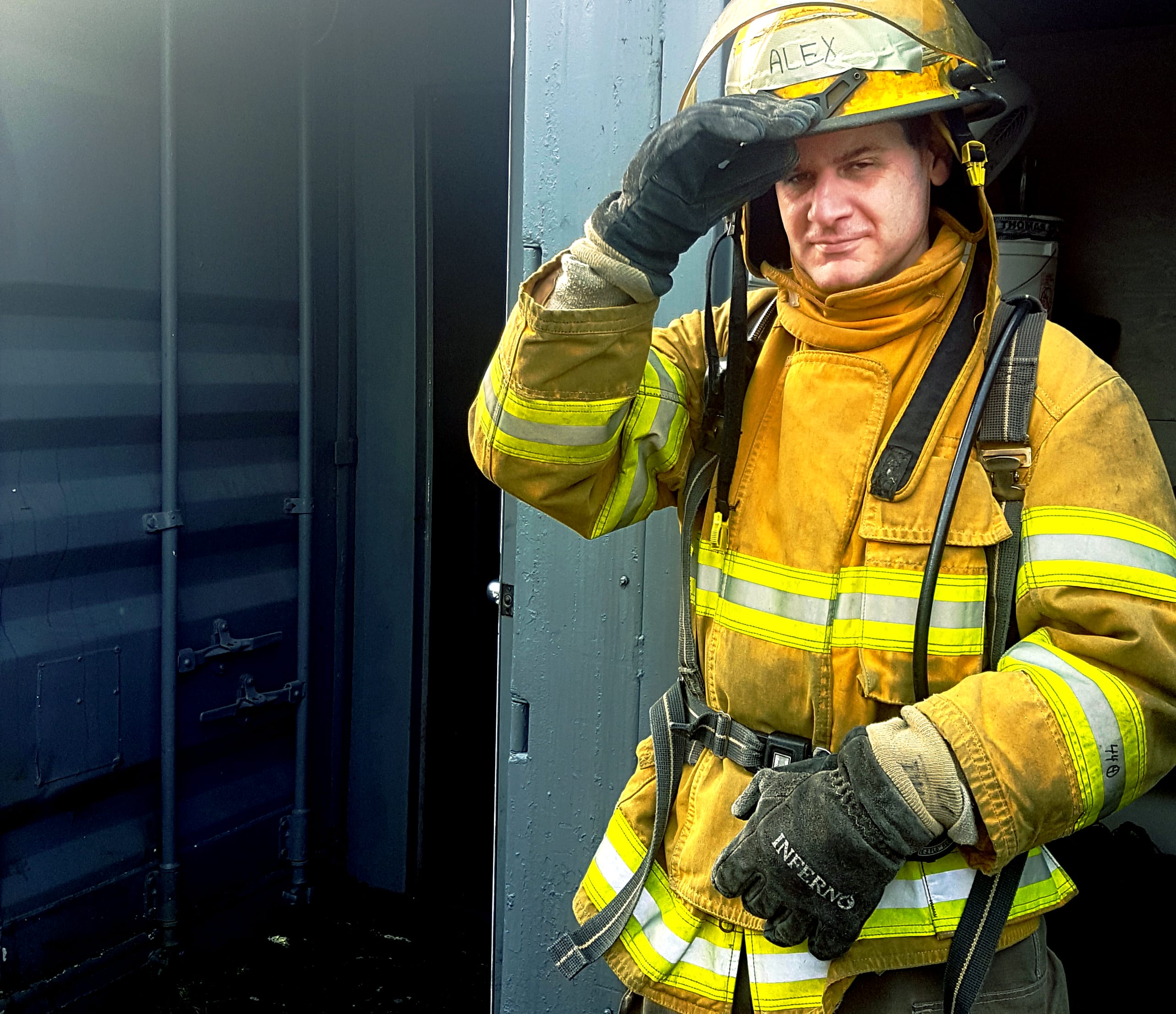
These days I work in the engine room.
One thing people might not know is how much happens behind the scenes to keep the ferries running. When people ask what we do on graveyard shifts, they’re often surprised. They assume the boat is just sitting there, but that’s when a lot of the work happens.
We’re bringing fuel on board, pumping sewage ashore and doing maintenance on engines that have been running all day and finally get a chance to be shut down. A lot of that work has to be done in a five or six-hour window while the vessel is docked. When the crew arrives in the morning, the boat is ready to go. Most people never see what it took overnight to make that happen.
When people do get the chance to walk through the engine room, they’re shocked by the size of everything. The engines are the size of a small school bus. From upstairs, it’s easy to forget what’s underneath you.
This job teaches you how important it is to stay alert. I remember a situation where one of the guys doing his rounds noticed a small fuel spill that hadn’t been there earlier. It’s the kind of thing you only catch if you’re paying attention, if you know the space and what’s normal. We dealt with it right away, but it’s a good example of why our checks matter. There are a lot of systems running on board and catching things early is a big part of keeping passengers safe.
One of the challenges of the job is working with a constantly changing crew. I change start times every couple of days and often work with newer employees, so a big part of the job becomes teaching. If someone hasn’t done a task before, then it’s a learning day. I’ll show them how to do it so next time they can handle it themselves. Eventually, they can teach the next person.
That’s how I learned when I started. On my very first shift, Eric McNeely walked me around the engine room and showed me what he did and how everything worked. He basically went through it piece by piece and said, “This is what I do.”
At the time you’re just trying to take it all in. Later, once you’ve been doing the job for a while, you realize the order he showed things in makes sense. Eric’s our president now, but back then he was the one showing the new guy around the engine room on day one.
Now that I’ve been here longer, I try to pass that knowledge along whenever I can.
I stay involved in the union as a shop steward and the second vice-president of Local 2. I also sit on several site safety committees and our local grievance and convention resolution committees.
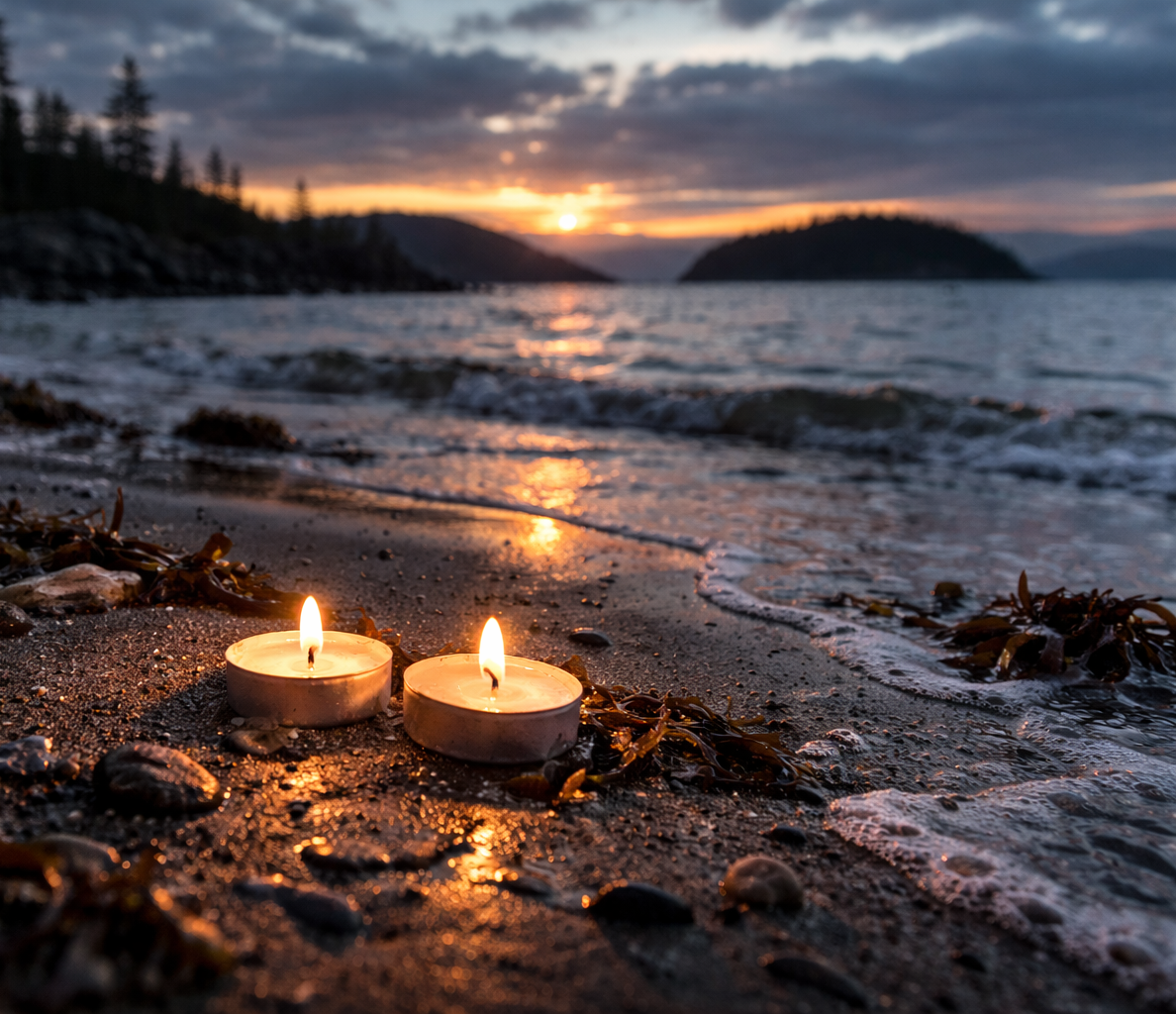
Last year I also helped organize the Golf for Graeme tournament, in memory of Second Officer Graeme Barnes, which supports a scholarship in his name to help students pursuing marine careers. We raised nearly $13,500 in under two years. In a close-knit industry like ours, losses are felt deeply. Events like Golf for Graeme are also about reminding each other that mental health matters and that none of us are alone.
Long shifts, changing schedules and time away from family can take a toll. It’s not always something people talk about but sometimes people are going through a lot and nobody realizes it. That’s why it’s important to look out for each other.
Alex Yates, ERR on Watch 9, Nanaimo