“The ships are old” isn’t accountability.
BC Ferries’ CEO spent this week apologizing for the Easter long-weekend breakdowns by pointing to one thing: the ships are old.
True. But aging vessels aren’t a surprise; they’ didn’t age overnight. Keeping the system running reliably despite an aging fleet is his job.
He also explained that a proposed fifth vessel wasn’t approved by the commissioner, leaving the system without a replacement boat. But that’s a red herring.
Even if that vessel had been approved, it wouldn’t be in service any sooner than 2029. It would have had no impact on what happened this past weekend.
What passengers and crew experienced is the system we have today, not the system that will be in place at some point in the future.
Both Jiminez and the province are pointing to transportation funding gaps from the federal government. That’s also true. But again, not new. It’s been an issue for years. Where’s the consistent, visible push to close that gap? It’s easy to say more funding is needed. What’s being done to secure it? Where’s the plan?
Because from the outside, what we see is a lot of finger-pointing and not a lot of action.
Transportation Minister Mike Farnworth called BC Ferries part of the highway system during one of his interviews this week. If that’s the case, it should be structured like one. Instead, responsibility is split across the operator, the province, the regulator and the commissioner. When things go wrong, it’s not clear who can fix them, but there’s plenty of places to deflect blame and dodge accountability.
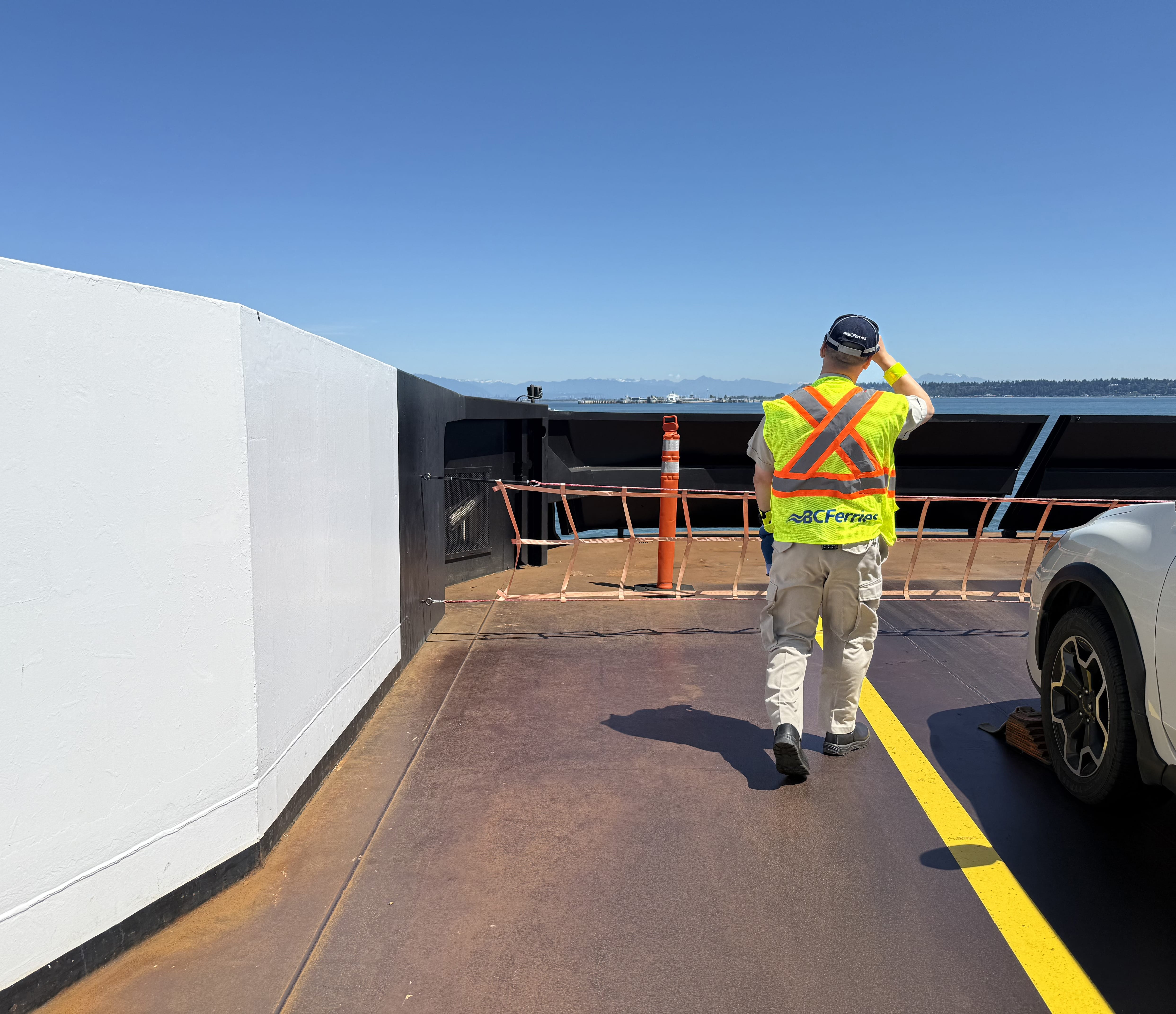
In the meantime, our crews are doing what they always do: managing frustrated passengers, maintaining safety and keeping service moving as best they can.
People don’t need the CEO and the transportation minister pointing fingers at each other and taking shots at Ottawa. What they need is a system with clear accountability and a plan that delivers improvements now, not in 2029.
At the end of the day, the expectation is simple. The ferry should sail.