When workers can’t strike, employers can wait
BC Ferries workers have been waiting almost a year for a new contract. Why is it so hard to move the employer? One reason is clause 35.02.
After our 2003 strike, the clause became part of the collective agreement. If talks remain deadlocked, it sends the issues we can’t settle to an arbitration panel. The panel makes a final decision, with no option to strike to push for a better deal. In 2025, a panel awarded our members a disappointing 1.65 per cent general wage increase, well below the cost of living increase.
We’re fighting to change that.
This year, the B.C. Labour Relations Board found BC Ferries bargained in bad faith when it tried to force clause 35.02 into our next agreement. We won that round, and we’re still fighting to remove the clause.
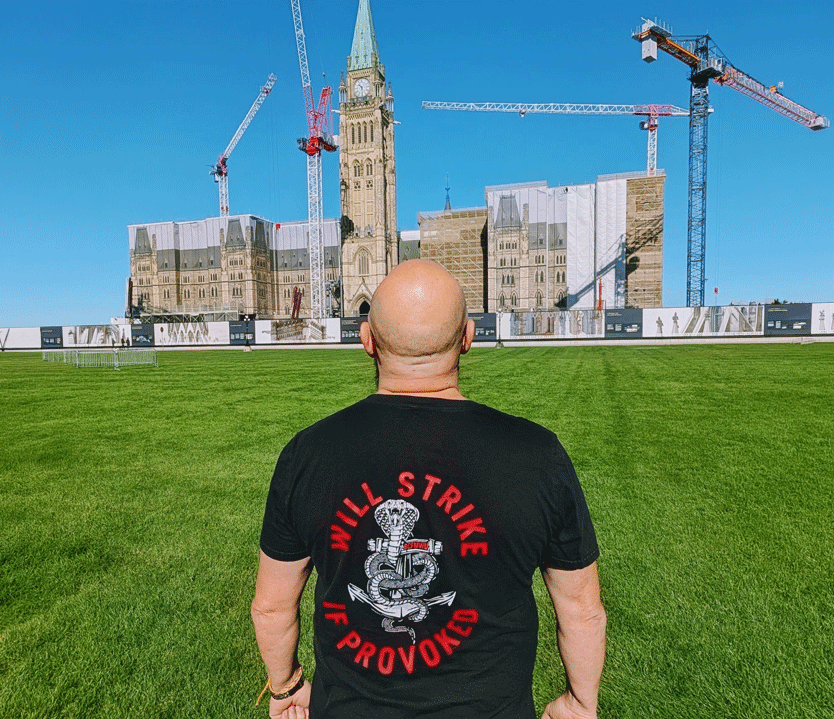
Now, the federal government is proposing a similar rule for federally regulated employees.
Carney introduced Bill C-39 on September 21. The bill would let the federal labour minister direct a board to end a legal strike and impose binding arbitration after mediation, if the minister believes the strike could harm the “national interest.”
Bill C-39 won’t directly change your bargaining rights. Our members bargain under B.C. law. But we know what’s at stake for other workers covered by federal law. If their employers expect Ottawa to end a strike, they have less reason to make a fair offer.
Find your MP and tell them to amend Bill C-39. We’ve fought for our right to make a better deal. Now let’s stand with workers across Canada fighting for theirs.
