Small crew, big connection: Chase Johnston shares his Barnston Island journey
I had an unorthodox start in marine work.
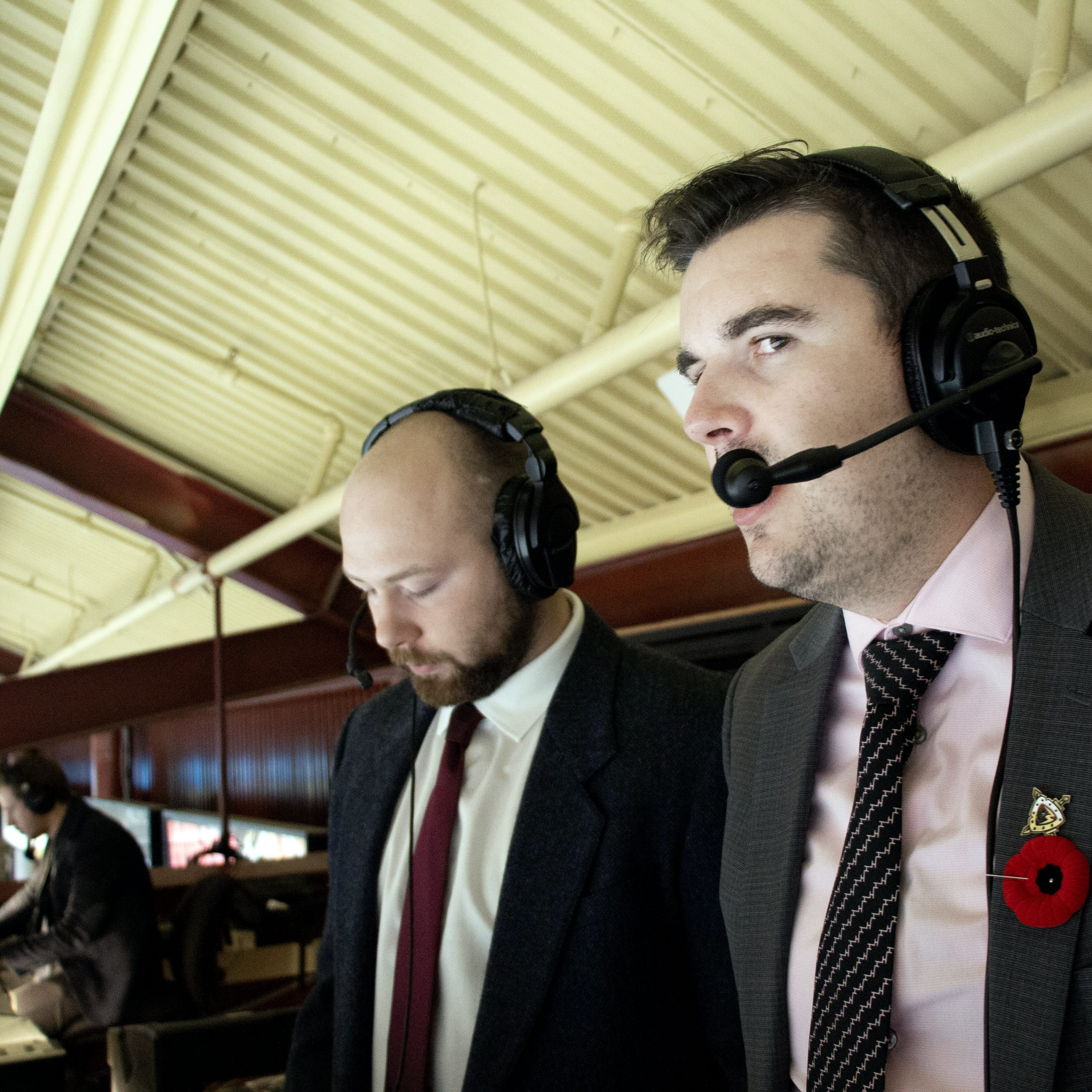
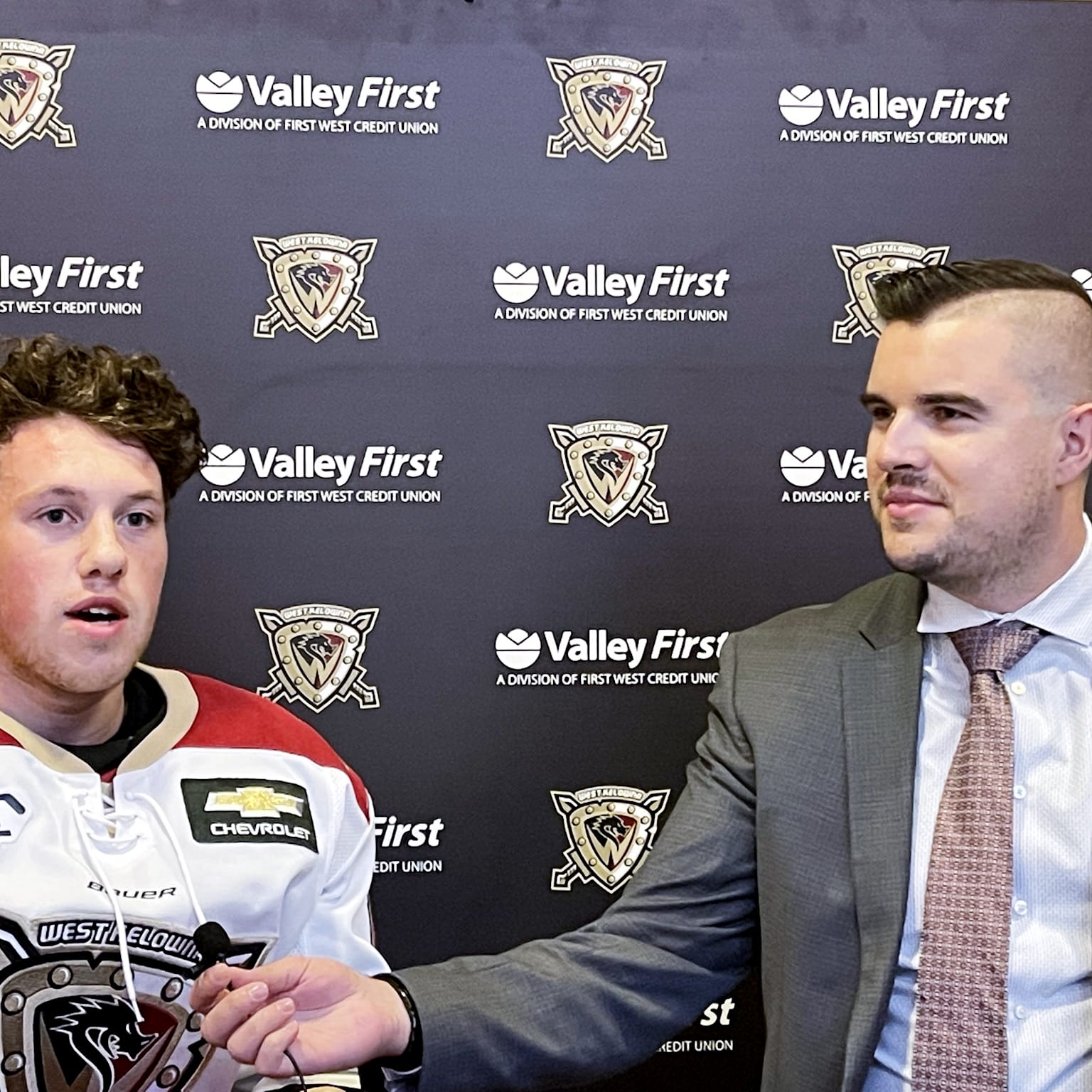
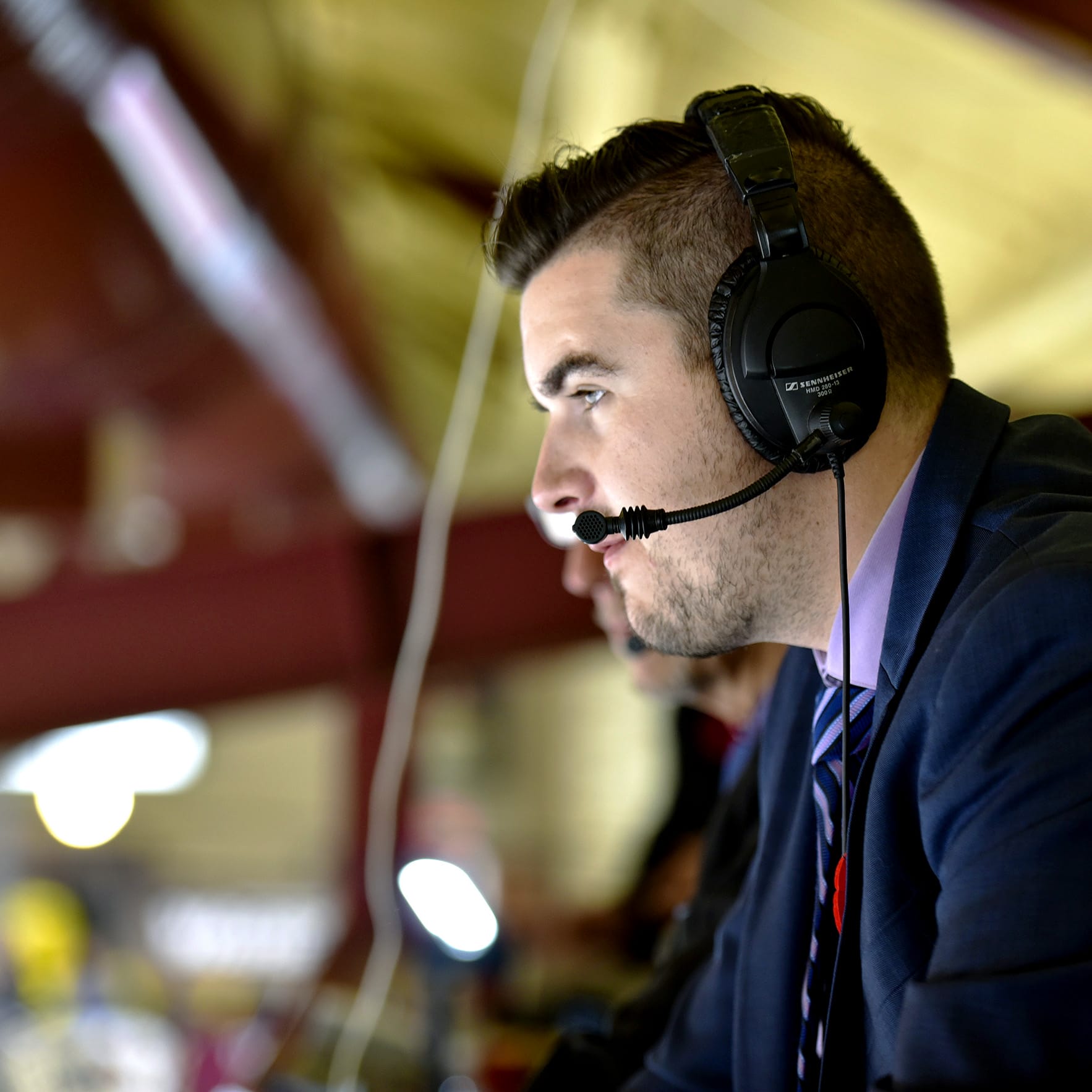
In 2024, I was in the middle of a crazy career change. I’d been working in sports broadcasting, covering the Brandon Wheat Kings, and I remember looking at myself in the mirror and realizing how tough the industry was getting. It’s a life where you need to be willing to give up what most people would call a normal lifestyle with vacations and a settled life.
I talked to my dad, and he said, “Why don’t you try marine work?” He’s a former senior master with the Galena Bay ferry, so it’s in the family, definitely in the blood. But I’d never really worked on a boat before.
I got my marine medical certificates and started applying everywhere, tugboat companies, wherever I could. I found the Barnston Island ferry job on Craigslist, of all places! My brother had worked there as a deckhand for a year, and when I applied, they recognized my last name right away.
At first, I barely got any shifts, maybe one weekend day here and there. I was also doing construction work for a friend just to keep going. The captains at Barnston encouraged me to take the Bridge Watch program at BCIT. It was a crash course in everything marine.
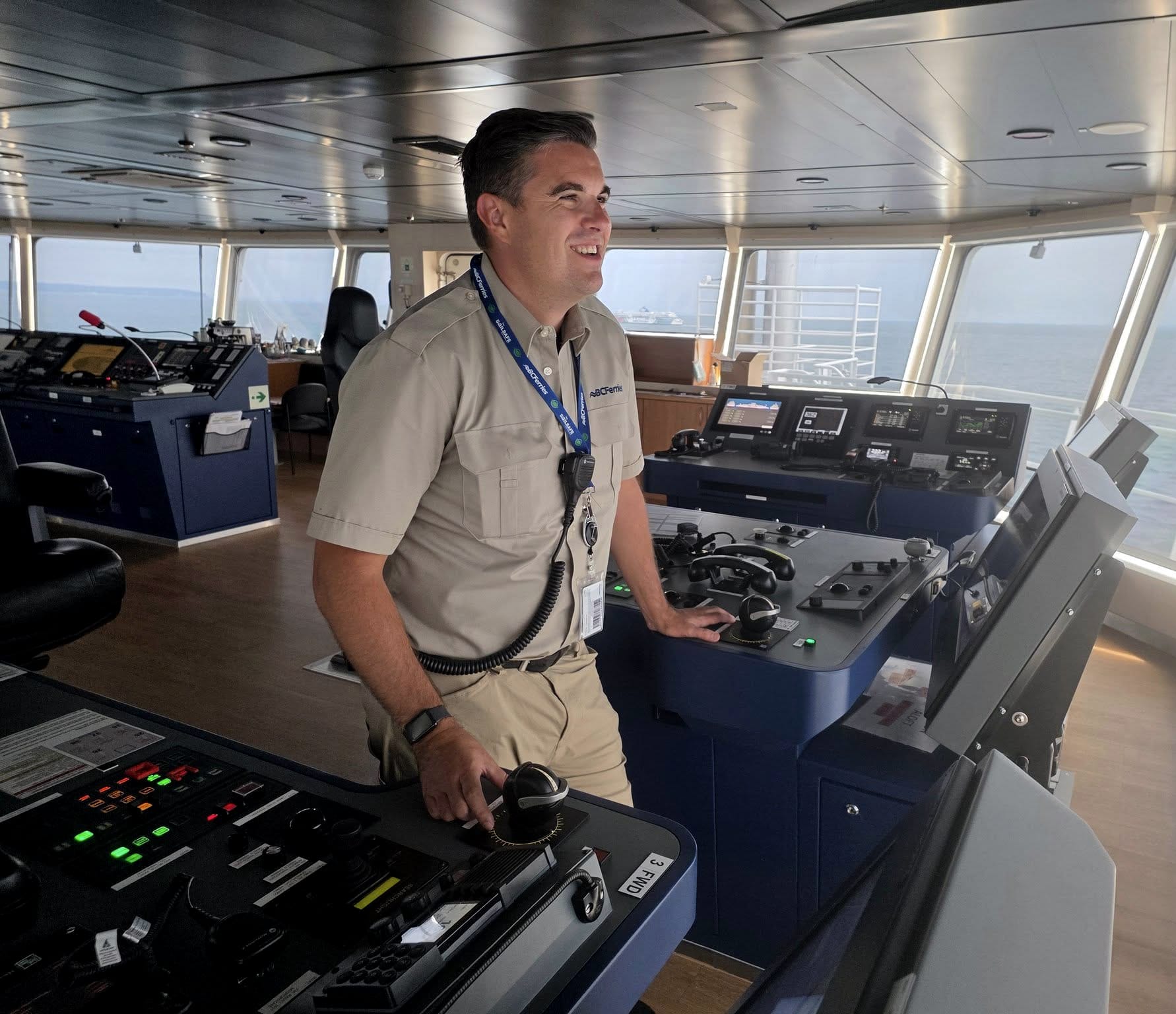
I started looking for opportunities with other employers to keep building my skills on the water. I knew BC Ferries would be a strong opportunity because of the size of the operation and the amount of training.
I liked it there, but full time is full time. When the opportunity came up at Barnston in August 2025, I took it. I feel lucky. I know people who’ve worked at BC Ferries for four or five years and still can’t get full-time hours.
It’s a tough rotation, six days on, three days off, ten-hour days, but one of the things I love most is becoming part of the community. Only about 140 people live on Barnston Island, and a lot of them are multi-generational families. I love hearing their stories, hearing about parents and grandparents who’ve been there since the early 1900s. It makes the work feel important.
We’re a crew of only eight or nine people total. If one of us sleeps in, we literally can’t sail. It’s not like the big ferry systems where there are extra people on standby. People depend on us for work, school, medical appointments, farming, everyday life. There’s an entire economy on the island, dairy farms, hay farms, beef farms, cranberry farms. We’re technically part of the highway.
A lot of passengers assume we’re BC Ferries, and that starts a whole conversation. I explain that no, we’re with Western Pacific Marine and that we’re part of a much bigger group of companies. The same ownership is behind Harbour Cruises, several marinas, and some of the waterfront docks around Vancouver. There’s a lot more to it than people realize.
One of our biggest challenges is staffing. We’ve got a great full-time crew, but when someone goes down sick or takes holidays, you need relief staff ready to step in. That’s tough in this industry because casual workers don’t always get enough shifts to stick around.
If you want people to stay loyal, you’ve got to get them work, and that’s not always easy in this industry. Right now, we’ve got casuals working on upgrading their tickets so they can be more available. There’s opportunity at Barnston. You don’t need a fancy ticket to be captain. You need your 60-ton ticket, you’ve got to do the schooling and you’ve got to do the testing through Transport Canada, but there’s a path.
Barnston really needs people who can be a bit of a Swiss Army knife. The more interchangeable you are, the better it is for the casuals, the full-timers, and the whole operation.
Where we work, you’ve got to be alert all the time. It’s busy marine traffic on the Fraser. Tugboats, big barges, small boats. I’ve got to be on constant watch, communicate with other vessels, deal with passengers and make sure people aren’t doing things like riding bikes down the wooden ramp into the river. The locals know the drill. They can back their car on and off faster than anybody, but it can be hard for visitors. There are a lot of hats to wear in a small operation.
The ferry may only take two or three minutes to cross, but for the people who live there, it means everything. I’m proud to be trusted with that.
Chase Johnston, Barnston Island Ferry