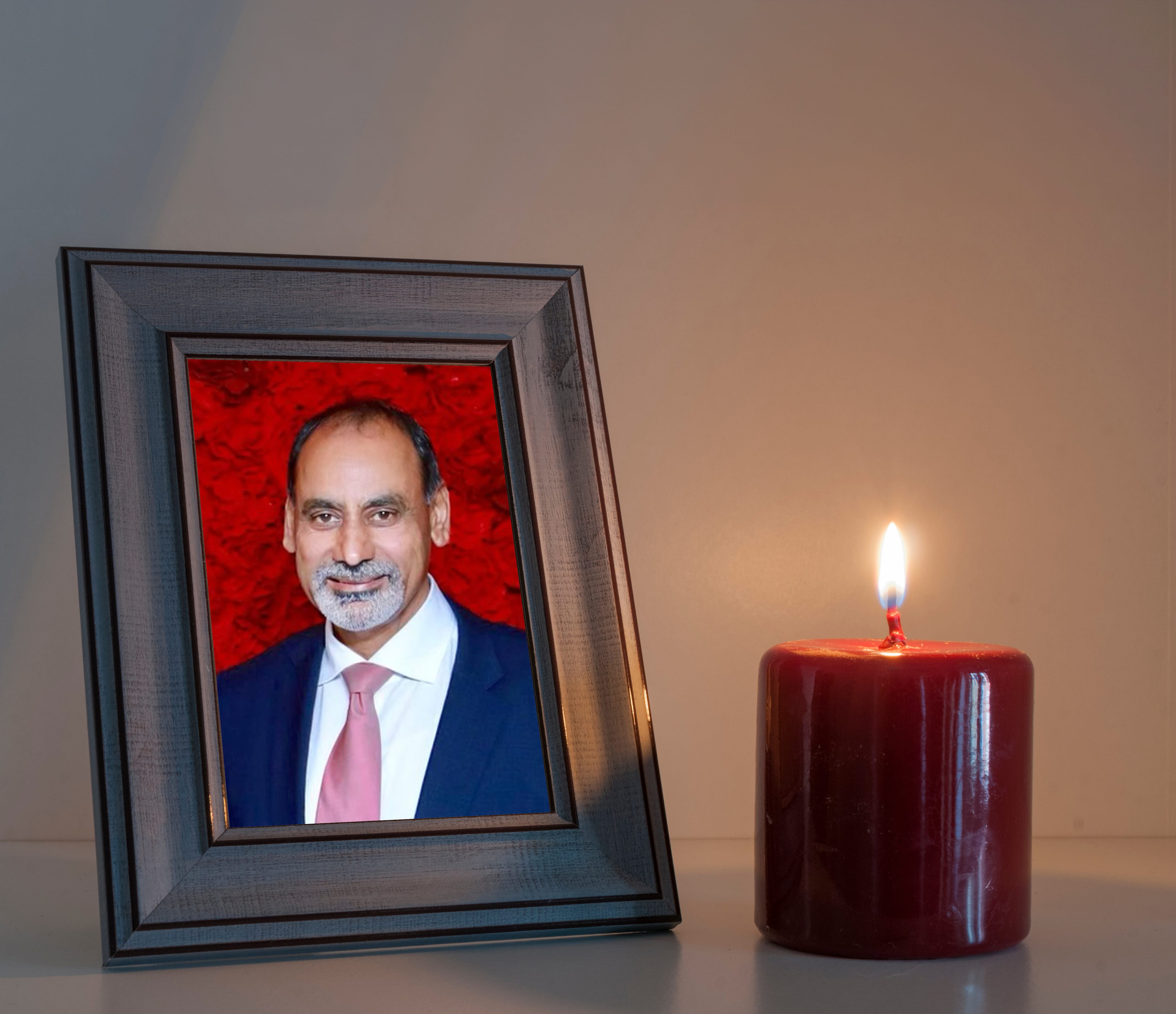
A death, a fine, and a fight to avoid responsibility
On April 28, workers across Canada pause and remember those who never came home from work.
One of them was our member, Kenny Chohan. Kenny died in June, 2020. He was working alone, doing repair work on a ferry at Deas Dock, BC Ferries’ fleet maintenance unit.
As he was working, he leaned over the edge of an embarkation ramp to retrieve an item from the water: the barrier gave way. He fell into the Fraser River and drowned.
No one noticed he was missing until his family called to ask why he hadn’t come home. His body was found the next day.
His death was preventable.
WorkSafeBC found multiple failures. The guardrail had been replaced with fabric webbing and was held in place with zip ties and bungee cords. It couldn’t withstand the weight of a person leaning on it. There was no proper safety procedure for retrieving objects from the water. There were no effective inspections. No hazard assessment. No supervision. Even basic systems, like confirming workers had safely left the site, were not used.
WorkSafeBC fined BC Ferries more than $670,000. That was in 2022. It is now 2026, and BC Ferries is still fighting to have it waived.
BC Ferries’ argument hinges on the fact that Kenny was not wearing a personal flotation device, as required. But this, again, is a supervision and enforcement issue. In high-risk work environments, it is employers, not workers, who are legally responsible for making sure safety rules are followed. Employers must provide appropriate protective equipment, make sure workers are trained to use it, enforce its use and supervise work to ensure compliance.
Since Kenny’s death, there have been other serious safety incidents at BC Ferries. Workers injured when equipment failed, thrown from rescue boats during drills, and unsafe procedures flagged, but not fixed. When something goes wrong, the standard response is delay, deflect, minimize. Too often, the focus shifts to blaming the worker.
Workers should not have to rely on luck, workarounds, or personal judgment to stay alive on the job. Safety is a system and that system is designed, enforced and maintained by the employer.
Ferry workers operate in high-risk environments every day. They manage marine and passenger safety, including fire response and emergency evacuations. They keep vessels running in rough conditions, under pressure, with thousands of people depending on them. They deserve systems that protect them.
Kenny Chohan should have come home. His family should not still be waiting for closure.
Safer workplaces don’t happen on their own. They are built by workers, unions and the broader labour movement pushing for better standards and real enforcement. BC Ferries and the province have a responsibility to meet that standard, not fight it.
Eric McNeely, president, BC Ferry & Marine Workers’ Union